Setting Up Timing for an Equestrian Show
 Johannes Hyrsky20 February 2026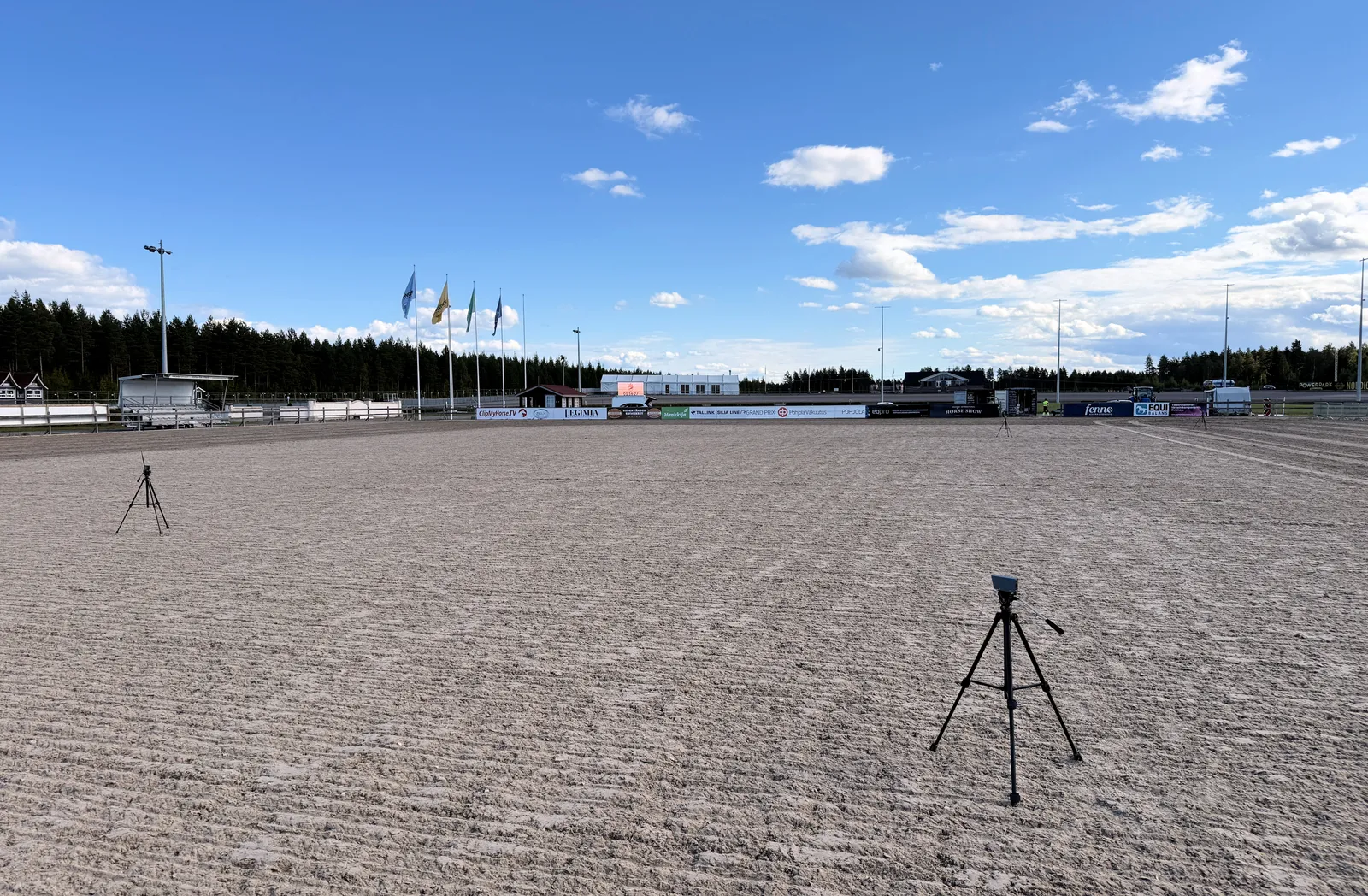
Equestrian timing differs from agility in scale and in the detail of the rules. On a show-jumping course you measure time and faults, and in jump-offs a fraction of a second decides. This guide describes a reliable setup for both an outdoor arena and an indoor riding hall.
Placing the start and finish line
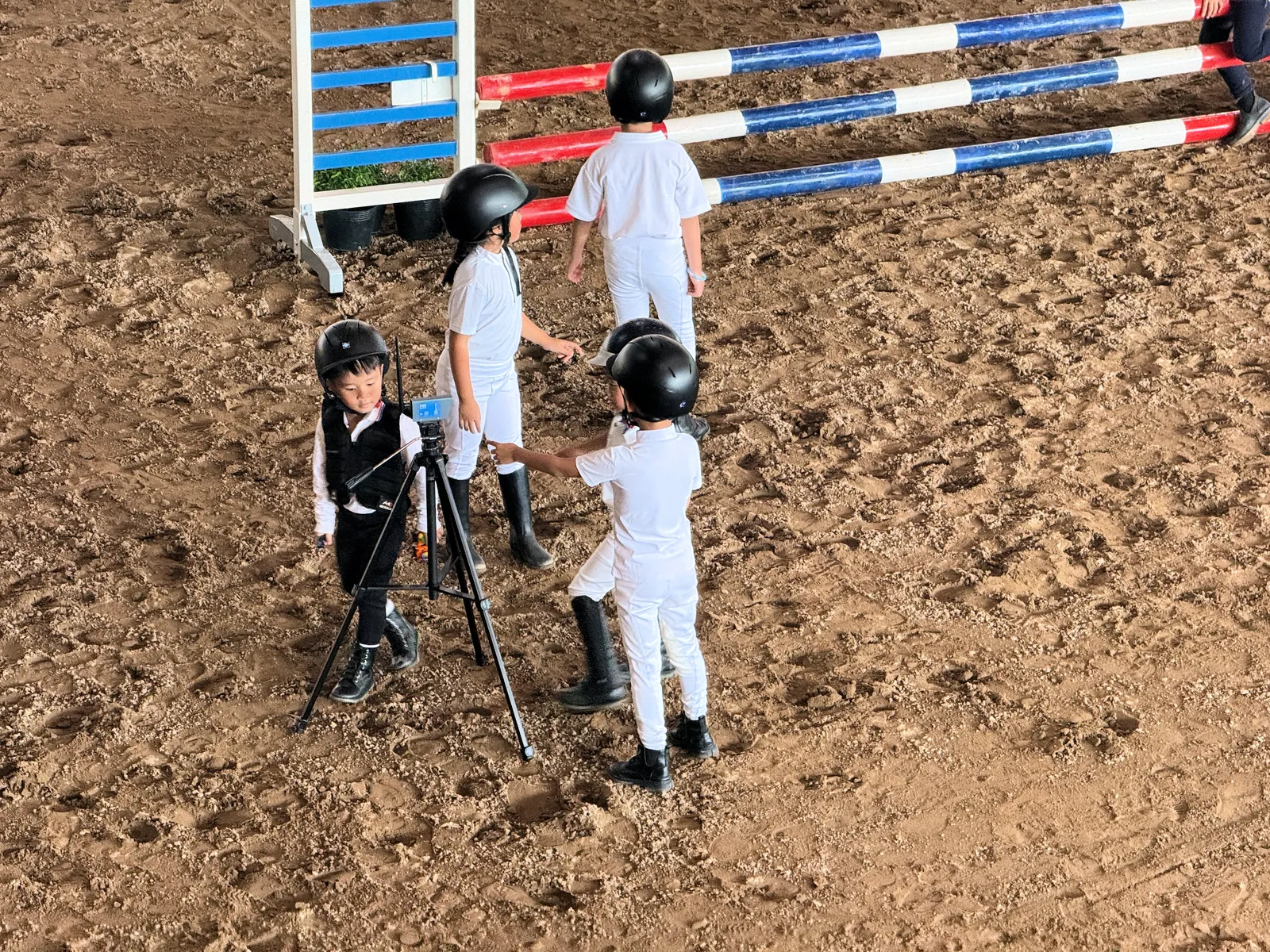
The start and finish line is marked per the ground jury's instruction, typically at the first and last obstacle. Photocells are set on tripods on both sides of the line so the horse's chest breaks the beam. Height is set to the horse — usually around 70–90 cm. Make sure the beam is not broken by course structures or officials.
Wireless range on a large arena
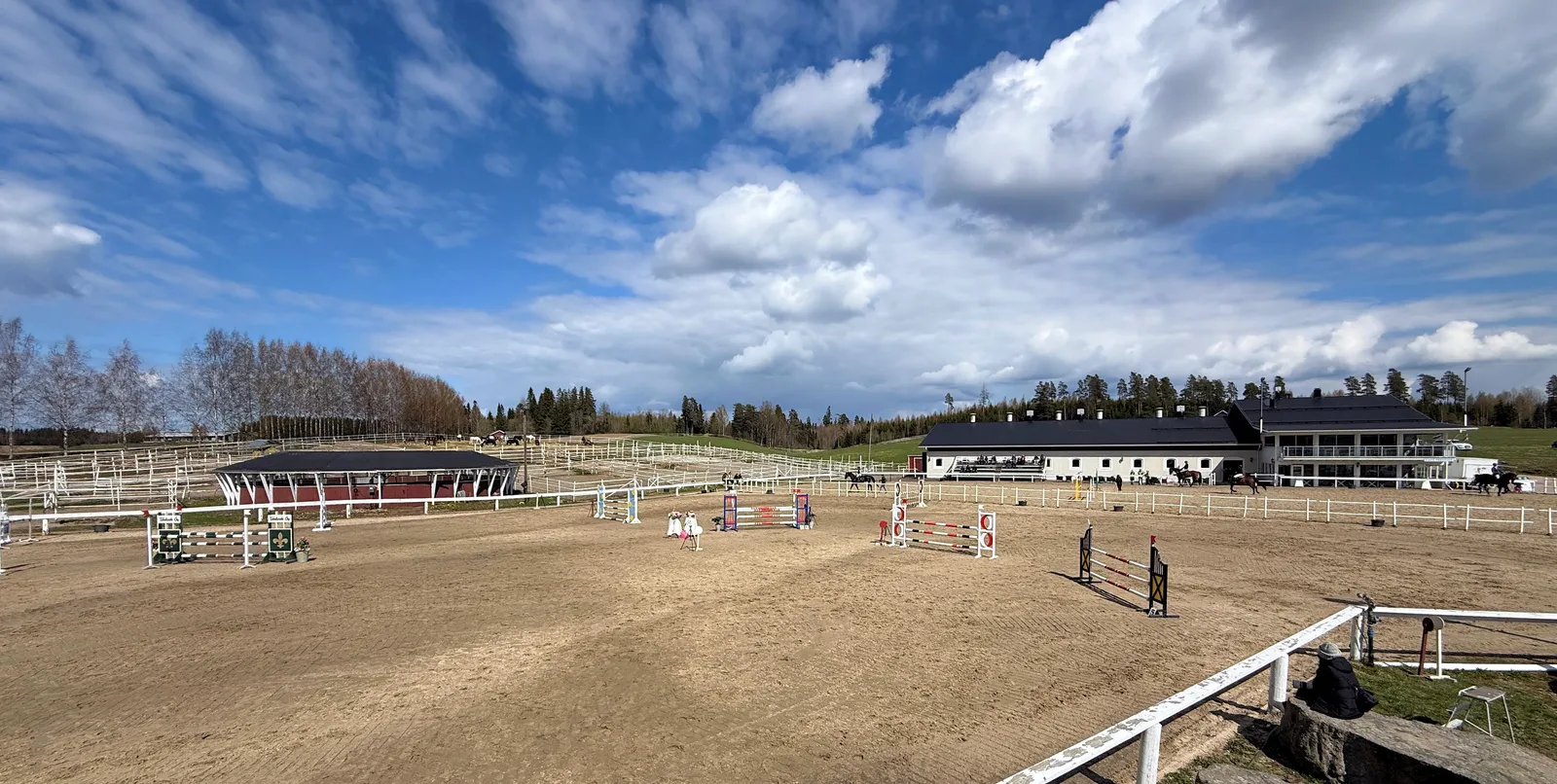
A show-jumping arena can be 60 x 90 metres, and the judges' table often sits at the edge of the grandstand. The FDS radio link must carry reliably across the whole distance, including through a full grandstand. Place the receiver high and in clear line of sight to the cells where possible.
Jump-offs
In a jump-off the course shortens and speed decides. Timing must start and stop flawlessly because placings are settled to hundredths. Test the jump-off configuration in advance and confirm the software recognises the jump-off as the correct round.
Equipe integration
Equipe is the standard for equestrian competition management across the Nordics. FDS timing feeds times straight into Equipe, which calculates faults, placings and prize money. This shows the audience real-time results and on the scoreboard. Verify the connection and start lists before the first start.
Weather and indoor halls
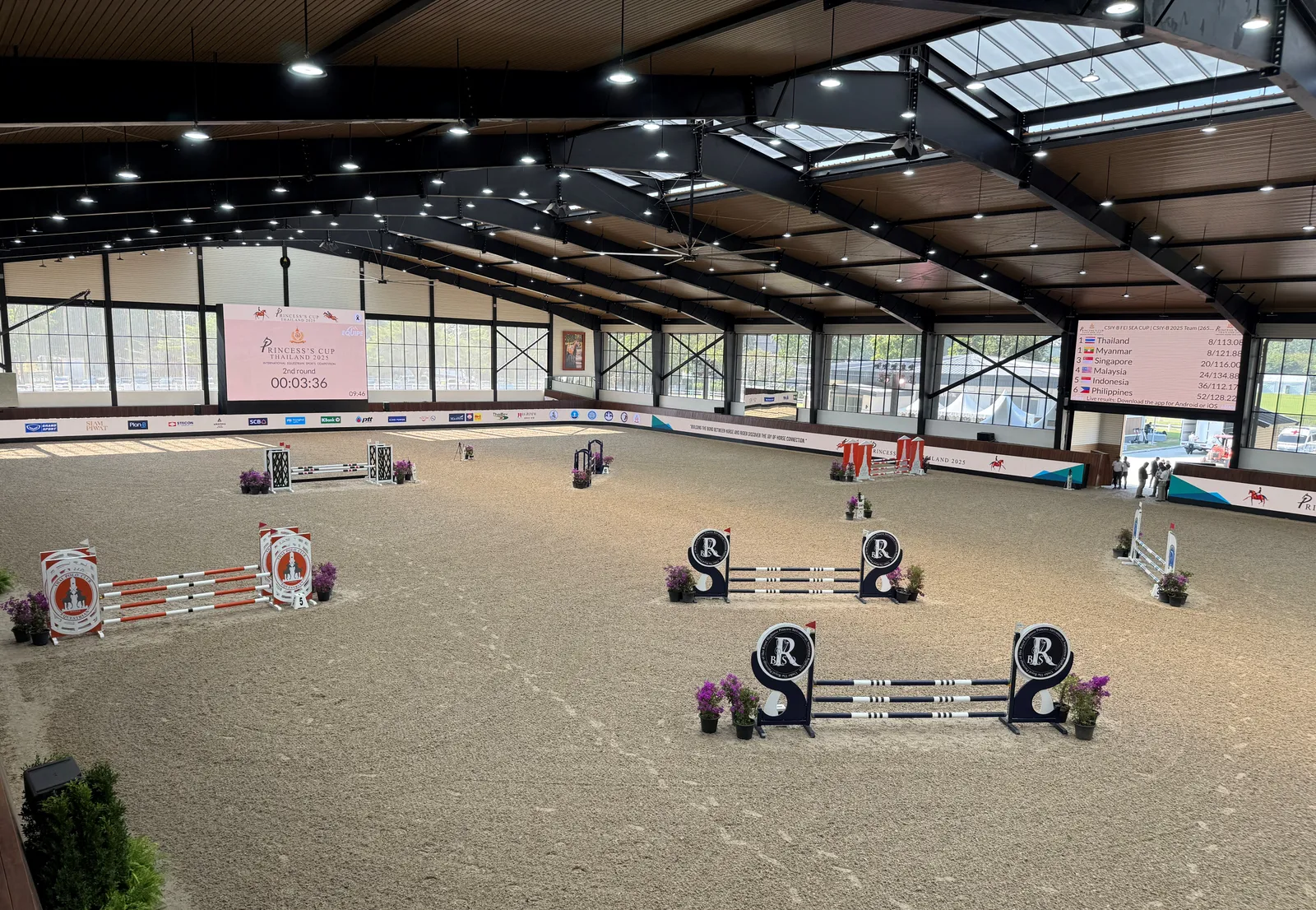
Outdoors, account for rain, dust and a low sun; indoors, account for a dusty surface and artificial light that can interfere with optics. Quality cells filter ambient light, but placement still matters a great deal.
Summary
Good equestrian timing is invisible: correct heights, a solid radio link, a tested jump-off configuration and a seamless Equipe connection. If needed, request an Eqilo expert on site for your first event.