How to Choose a Wireless Timing System for Your Club
 Johannes Hyrsky15 January 2026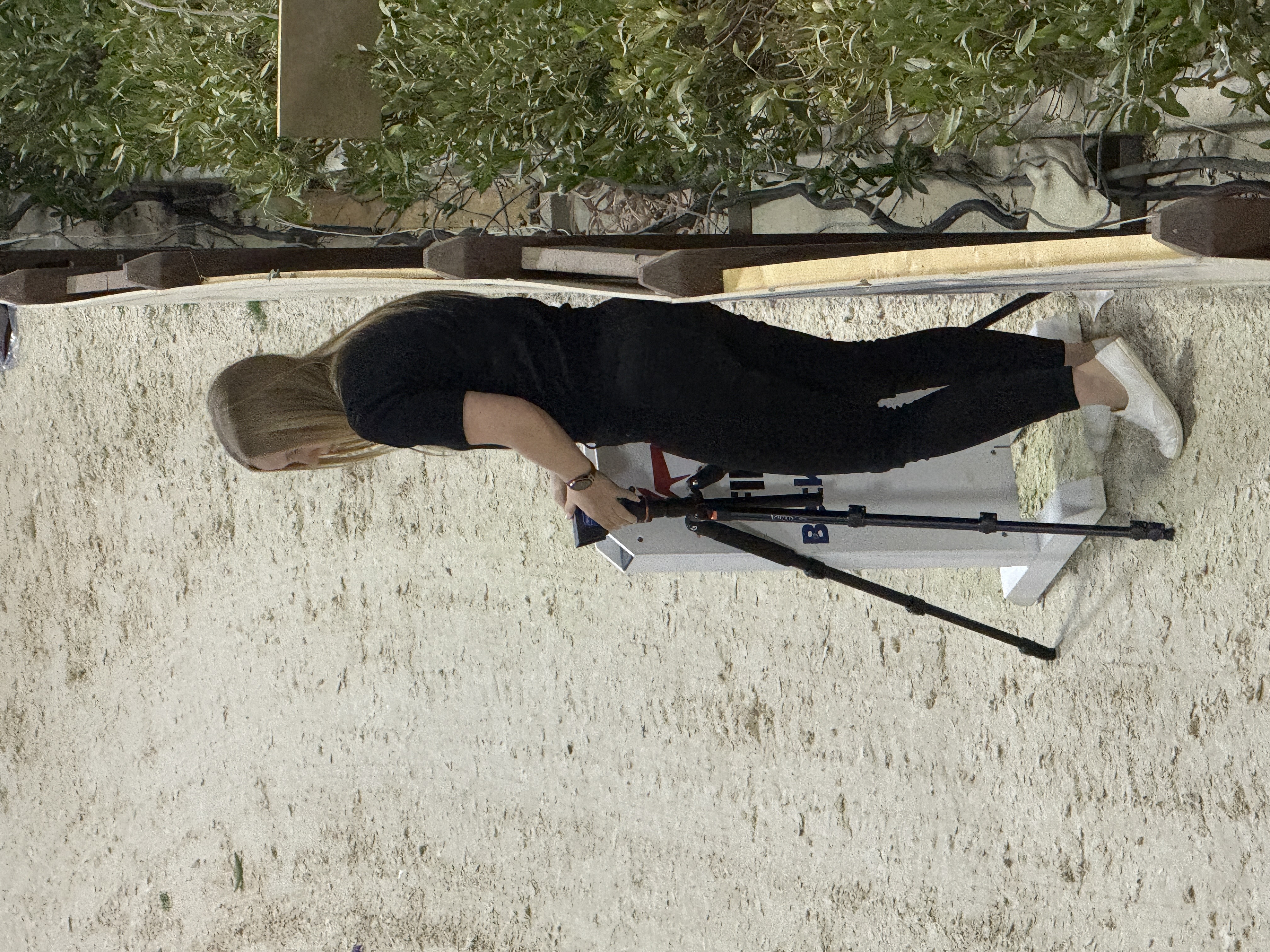
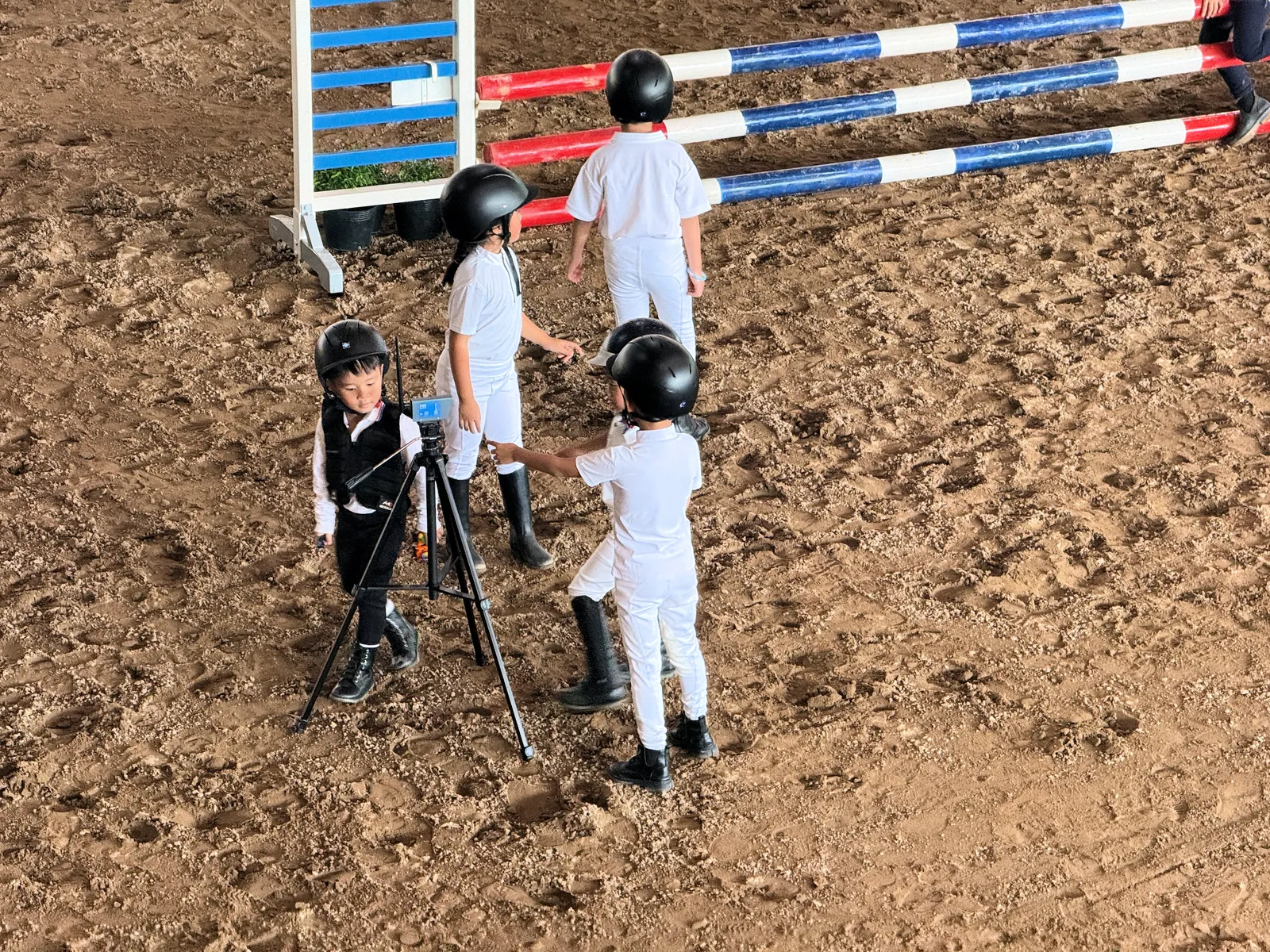
Wireless timing has replaced old cabled systems in almost all club-level competitions over the past few years. The reason is simple: no more hundreds of metres of cable across the arena, no tripping hazards and no hours of setup. But not all wireless systems are equal, and the wrong choice can cost a club for years. This guide walks through the key selection criteria.
1. Measurement accuracy
A professional-grade system such as FDS Timing measures to the thousandth of a second (1/1000 s). Club-level agility and equestrian effectively only need hundredths, but a finer resolution gives confidence in tie situations and lets you grow toward sanctioned competition. Make sure the timestamp is created in the photocell itself, not after radio latency — a quality system records the event locally and then transmits it.
2. Radio range and interference tolerance
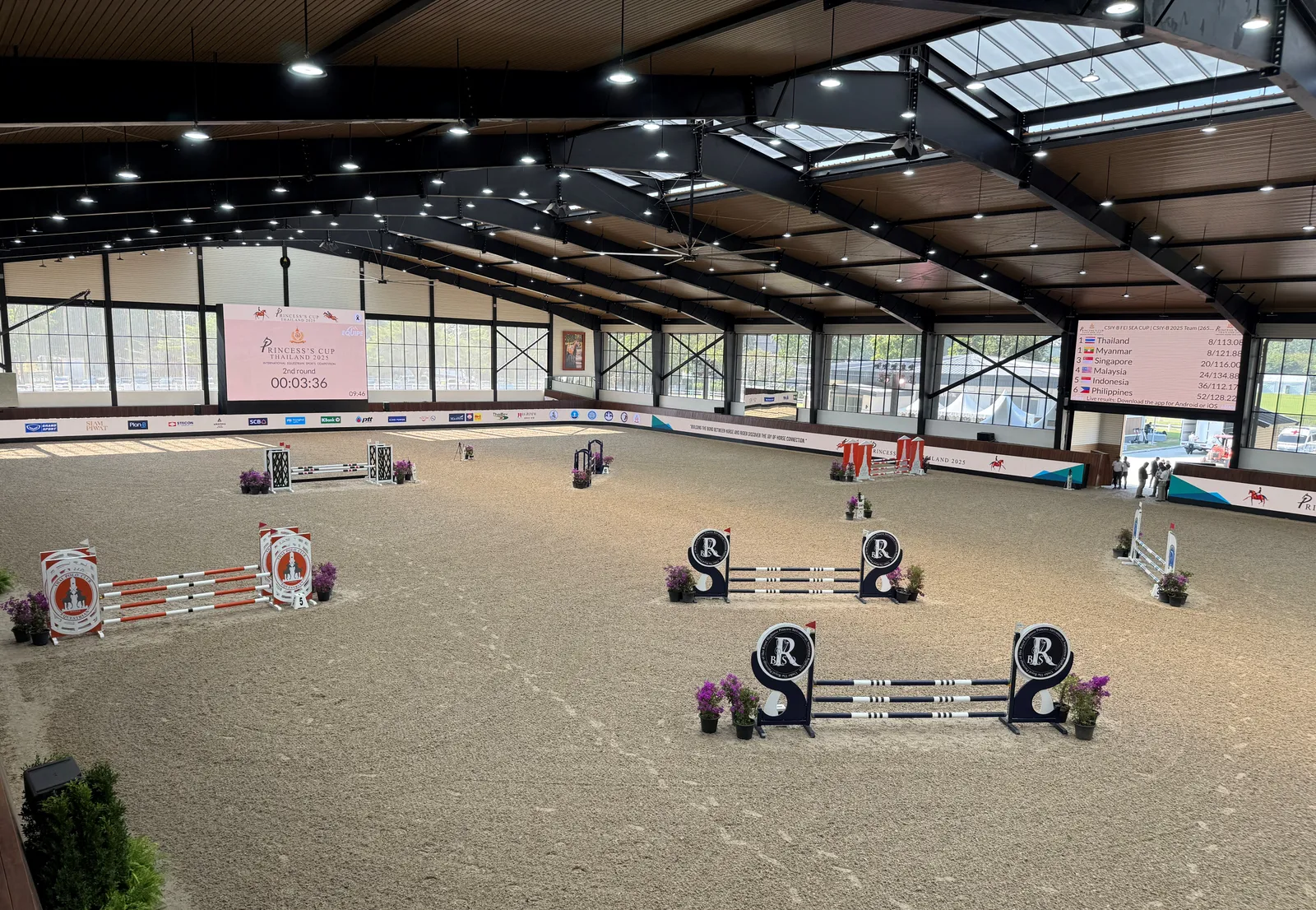
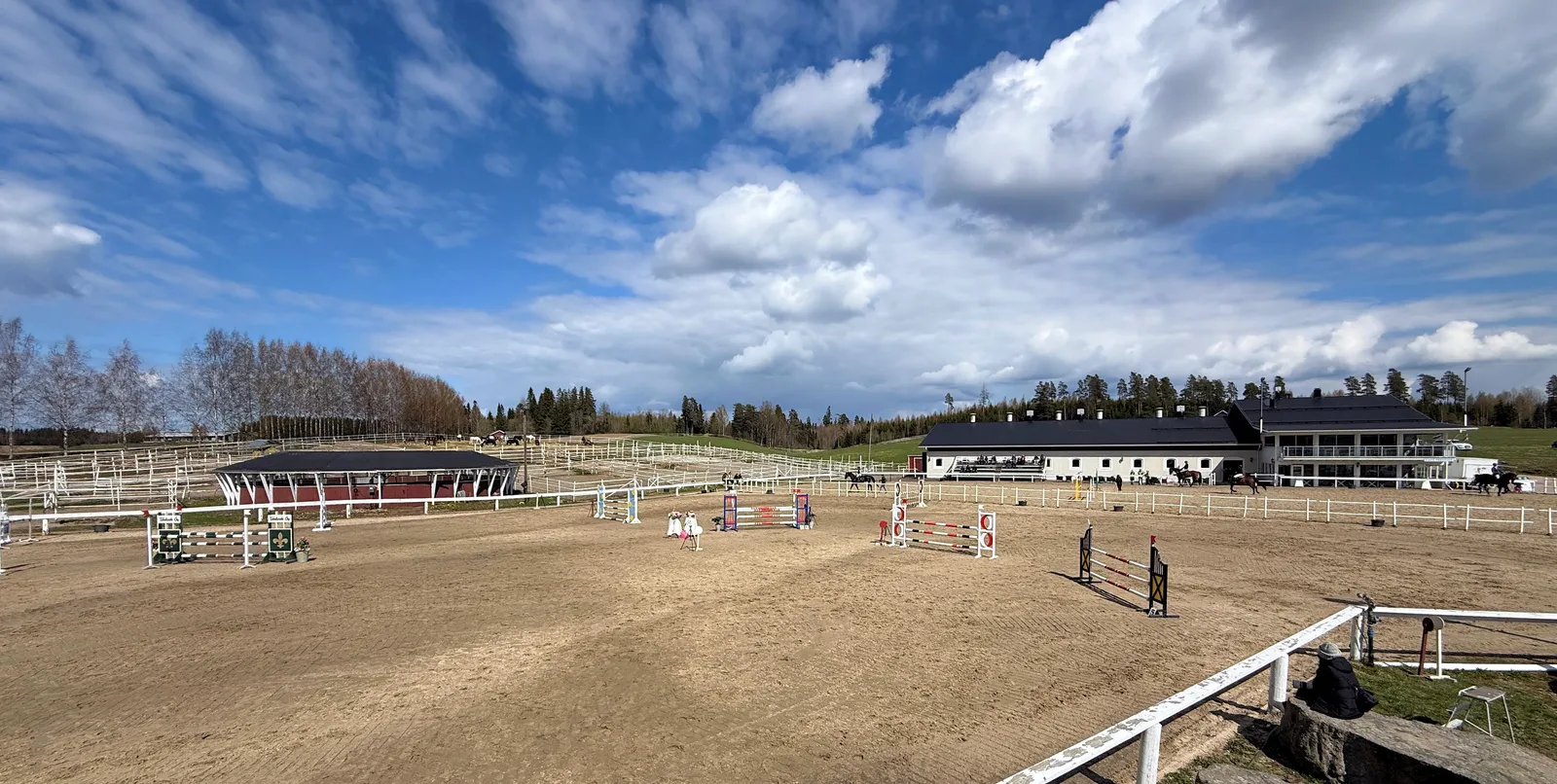
Arena size is decisive. An agility start and finish can be 80 metres apart, while on a show-jumping course the distance to the judges' table may exceed 150 metres. FDS devices use an unlicensed but robust radio band that penetrates grandstands and tree lines. Always ask for the real range through terrain, not the theoretical free-space figure.
3. Battery life and power
A good photocell lasts a full competition day on one charge. Check the charging time, the availability of spare batteries and the option for backup power. In winter, battery capacity drops, so ask for sub-zero operating figures.
4. Software integration
The device is only half the solution. In equestrian, Equipe is the de facto standard; in agility, SmarterAgility; in athletics, dedicated results systems. Make sure the timing feeds times directly into the right software without manual keying — this removes human error and shows the audience real-time results on the scoreboard.
5. Total cost of ownership, not just price
The cheapest device becomes expensive if spare parts are unavailable or support is on another continent. An FDS system bought through Eqilo includes Finnish-language support, training, service and spare parts. Factor in training, warranty and how many years the device will serve.
Summary
Start by mapping your discipline's requirements, the arena dimensions and your users' skill level. Choose a system that grows with the club and is backed by a local expert. When unsure, request a demo on your own field before deciding.